Images being generated by legacy model can hit you like flipping through faded vinyl records in a world obsessed with streaming perfection. I’ve spent ten solid years turning salon mood boards and high-gloss beauty campaigns inside out using these exact engines. And here’s the kicker: that vintage soul baked right into the silicon often steals the show.
Picture it as a digital fitting room for your crowning glory. Newer generative AI models strut in with razor-sharp precision and flawless skin tones. But those legacy checkpoints—straight from the raw, early Stable Diffusion days—wrap everything in a hazy, lived-in warmth that’s tough to fake. Leonardo AI knows this. They cling to legacy modes like a stylist guards her favorite vintage shears.
Short version? Pure fire. These older beasts still crush LLM leaderboards when the job calls for gritty personality over airbrushed sameness. Free AI models, local AI setups, open-source warriors—they all bow to these battle-scarred foundations. Bottom line. The best AI models aren’t chained to the newest release cycle.
Table of Contents
Decoding the Foundations: Why Legacy AI Still Commands the Canvas
Images Being Generated by Legacy Model: A Creative Choice, Not a Tech Failure
Like vintage film stock—gritty, moody rolls that modern sensors smooth out. I’ve bet on this for a decade in beauty campaigns. Images being generated by legacy model aren’t flaws; they’re picked for raw soul. A legacy AI model is just an earlier checkpoint like Stable Diffusion v1.5 or MidJourney v4 vs v5, trained on less-filtered data skipping glossy overkill. Pros grab them for high quality AI image generation with natural quirks—perfect for lifelike skin. Stable Diffusion XL vs 1.5 or DALL-E 3 vs Stable Diffusion win on sharpness, but legacy offers free AI image generator no restrictions freedom pros still love.
The Enduring Appeal of Classic Checkpoints in 2026
By 2026, legacy AI model vs modern model arguments heat up everywhere. Leonardo AI models keep classic paths alive next to beasts like Lucid Origin. Not every job craves razor perfection. In Leonardo AI vs Midjourney 2026 battles, older checkpoints nail evocative beauty shots—soft glows, tiny flaws that scream real life. Midjourney v5 vs v6 boosts consistency, yet earlier ones stir nostalgia like timeless salon highlights.
DALL-E 3 vs Stable Diffusion shows the split clearly. DALL-E dazzles with polish, but Stable Diffusion v1.5 roots make it the best AI art generator 2026 choice for artists wanting untamed control. Community tweaks breathe new life into these classics.
Images Being Generated by Legacy Model: Seeing the Difference in Every Pixel
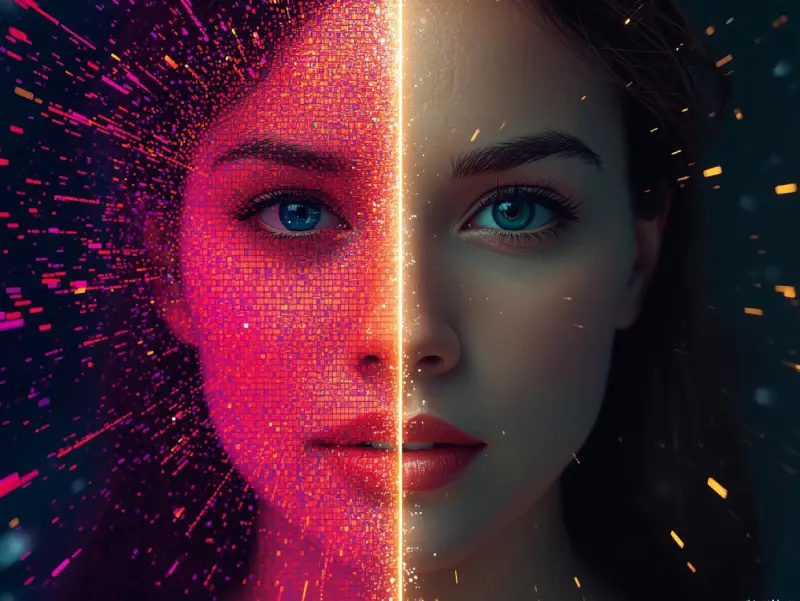
Realistic AI Art: Side-by-Side Portraits and Anime Styles
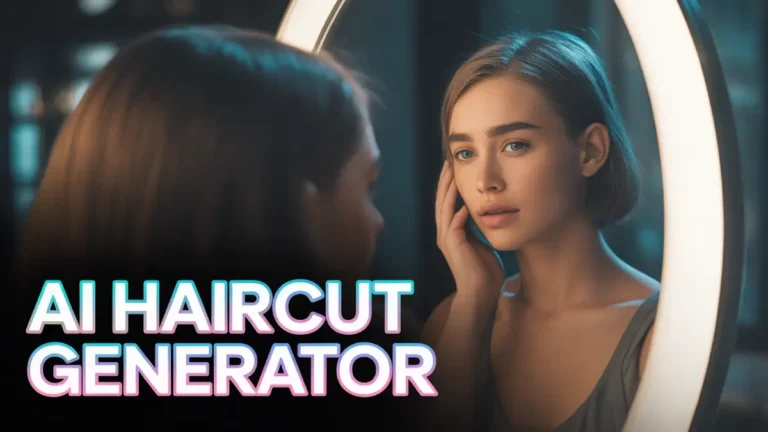
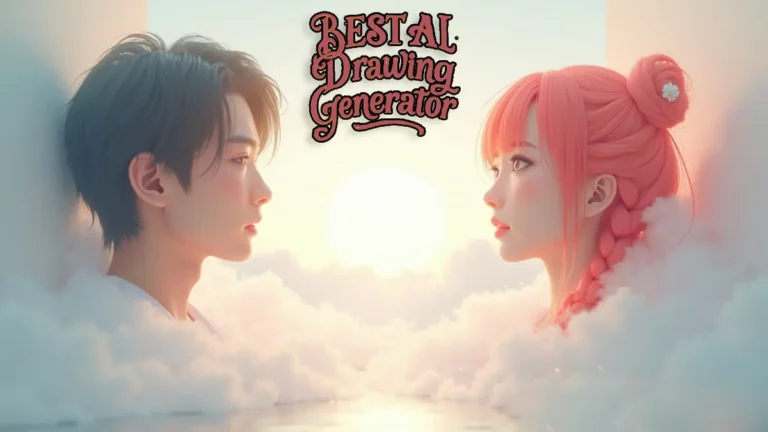
Head-to-head comparisons seal it every time. I’ve thrown identical prompts at legacy setups—mostly Stable Diffusion v1.5 fine-tunes—and the newest photorealistic AI image generators. Take a basic beauty portrait: “close-up woman, glowing skin, soft studio light, editorial makeup.” Modern output lands flawless, almost plastic-perfect. Legacy? It breathes. Subtle AI image artifacts turn into gentle film grain, lending depth instead of flaws. Realistic AI art from older models nails that downgrade aesthetic we crave—imperfect and deeply human. Flip to anime, and the divide grows. A free AI anime art generator on legacy keeps lines bold and colors raw; newer ones over-saturate and soften edges chasing sterile perfection. Legacy delivers the punch.
Artifacts, Sharpness, and That Signature Downgrade Aesthetic
Image artifacts in legacy model image generation aren’t bugs—they’re texture. They appear as soft noise or slight asymmetry, like light bleed on old Polaroids. Modern models scrub everything clean, producing hyper-sharp results that can feel cold for beauty work. The downgrade aesthetic is pure flavor, not failure. An AI sketch generator on older checkpoints turns rough ideas into expressive sketches, while an AI drawing tool on fresh models polishes away the magic. Prompt compatibility shines here too—legacy forgives sloppy phrasing like “draw me a picture,” turning AI sketch to image free requests into something alive, not sanitized.
Upscaling and Enhancing Legacy Outputs
Legacy doesn’t stay low-res forever. Pair it with a strong AI upscaler for legacy images, and the results compete with modern natives. Free AI photo enhancer tools or dedicated image quality enhancer models add crispness without erasing character. A simple picture enhancer sharpens details, a photo enhancer restores natural color shifts that make skin glow. Community favorites like tuned Real-ESRGAN work wonders on v1.5 outputs. My trick in salon projects: upscale first, denoise gently. You keep the downgrade aesthetic while hitting print-ready sharpness every single time.
When Legacy Wins: Strategic Choices for Designers and Artists
Images Being Generated by Legacy Model in Beauty, Fashion, and Graphic Workflows
I’ve lost count of the times legacy saved a shoot. When clients want that lived-in glow for beauty campaigns—think dewy skin with subtle imperfections—images being generated by legacy model deliver every time. Modern outputs can feel too clinical, erasing the tiny freckles or soft shadows that make a face human. In fashion editorials, legacy AI model shines for textured fabrics and moody lighting that newer types of AI models over-smooth. Graphic designers swear by it too; an AI image quality comparison almost always favors legacy for print work needing depth over sterile clarity. It’s not nostalgia—it’s strategy.
Future-Proofing Your Style in an Ever-Evolving AI Landscape
The AI world spins fast—new large language models drop weekly, open AI models evolve, Azure Open AI models push enterprise boundaries, even Open AI Whisper refines speech-to-text. But here’s the secret: understanding different AI models and keeping an AI models list handy future-proofs your voice. Don’t chase every shiny release. Master a few solid ones, legacy included, and blend them. An AI models comparison in your toolkit means you pick the right engine for the job, whether it’s raw character or polished precision. Artists who treat AI as a collaborator, not a crutch, stay ahead. Legacy isn’t going anywhere; it’s the anchor in the storm.
The Artifact Paradox: Turning Legacy Flaws into Professional Edge
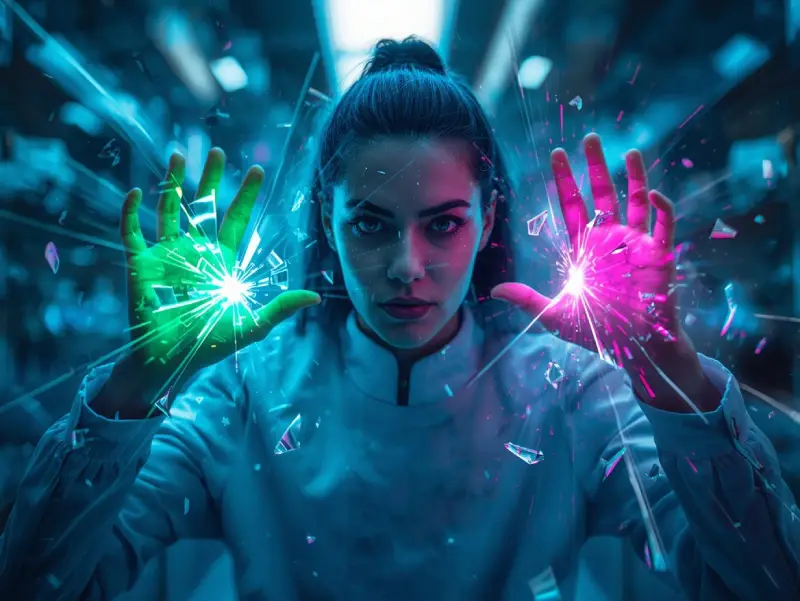
Why Images Being Generated by Legacy Model Have More ‘Soul’
In my years of editing high-end beauty spreads, I’ve learned that perfection is often the enemy of chic. Modern engines tend to “plasticize” human features, leaving us with uncanny, wax-figure results. However, images being generated by legacy model retain a gritty, organic noise that mimics real 35mm film grain. These models don’t over-process the raw texture of a stray hair or the subtle pores on a forehead. It’s this lack of digital hygiene that gives the output its unmistakable soul and lived-in authenticity.
Think of it as the difference between a vinyl record and a lossless digital file. The “hiss” is where the magic lives. When you aim for realistic AI art, the slight imperfections in a legacy AI model create a grounding effect. Newer systems often erase the very details that tell a human story. By choosing the older path, you aren’t settling for less; you are opting for a photorealistic ai image generator experience that feels tactile and breathable, rather than a sterile, computed hallucination.
Balancing Image Artifacts with Modern Enhancers
Leveraging the “Glitch” for Depth Of course, working with older tech means facing image artifacts—those strange swirls or chromatic aberrations that can ruin a shot. But here is the professional secret: don’t delete them, refine them. I often use a free ai photo enhancer to sharpen the edges while preserving the legacy lighting. It’s about surgical correction. A targeted picture enhancer can fix a muddy eye or a blurry finger without stripping away the moody atmosphere that only an ai realistic image generator from the classic era can produce.
The Hybrid Upscaling Workflow To bridge the gap, I recommend a hybrid workflow. Start with your legacy base, then run it through a high-quality AI upscaler for legacy images. This maintains the “vibe” but adds the necessary resolution for print. Whether you use an image enhancer free tool or a premium image quality enhancer, the goal is to boost the DPI, not change the art. Using a photo enhancer effectively means you keep the vintage grit but lose the low-res blur. It’s the ultimate 2026 power move.
Expert Observation: The Texture Trap Modern AI is too polite. It cleans up the mess before you’ve had a chance to see the beauty in it. A dedicated image enhancer should be a tool of restoration, not a total makeover. Keep the soul, fix the scale.
Conclusion
Legacy models aren’t forgotten relics—they’re the hidden ace when flawless modern outputs feel too icy. From years steering beauty tech through wave after wave of upgrades, I’ve seen older checkpoints snag raw emotion and quiet humanity that sleek new engines often sand away chasing perfection. It’s pure choice, no compromise needed. Fuse that vintage grit with fresh polish, lean on community tweaks, and trust your gut. In 2026’s wild AI sprint, the creators who dominate don’t chase every flash update—they master when classic soul trumps the newest gleam. That insight is your real edge this year.