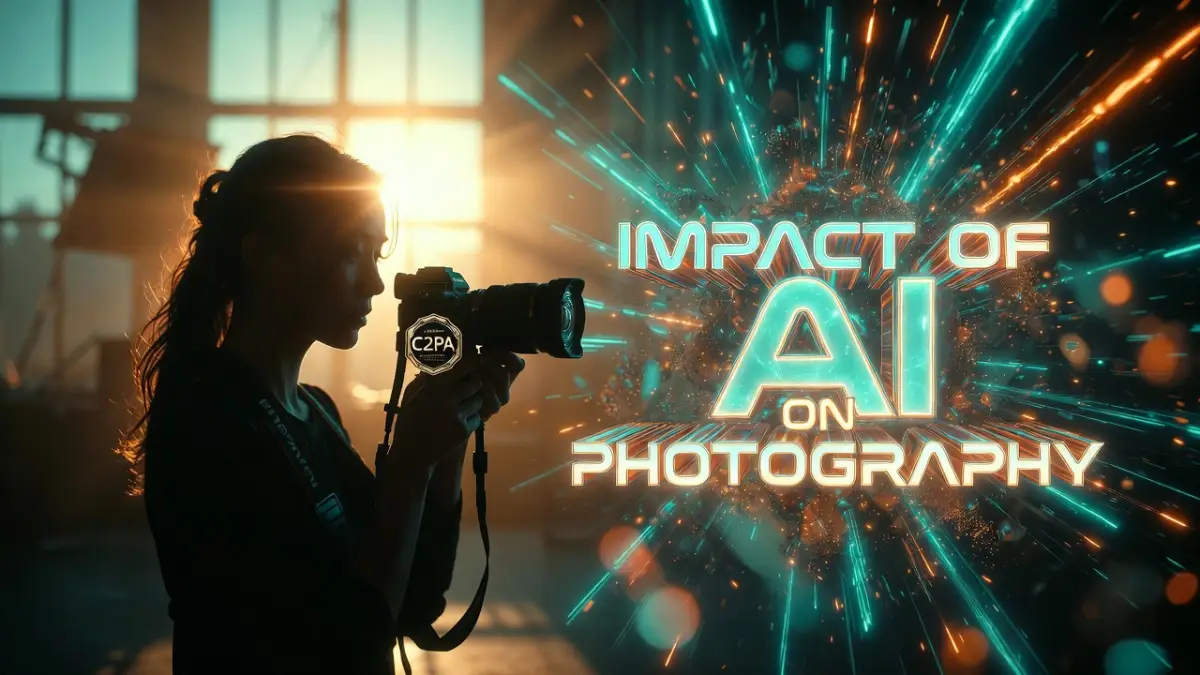
Imagine freezing that fleeting, imperfect wedding kiss—tears, messy hair, genuine rawness—through your lens. In 2026, the impact of AI on photography has ignited an authenticity crisis: audiences now hunger for real emotion far more than flawless perfection. The latest generative AI photography survey 2026 reveals photographers wrestling with AI in photography tools that promise lightning speed yet threaten to erase soul. This AI revolution in photography 2026 blurs captured truth and synthetic creation, fueling the powerful emotion over perfection photography trend and the rising call for authenticity over perfection photography.
Table of Contents
The New Darkroom: AI in Photo Editing Workflows
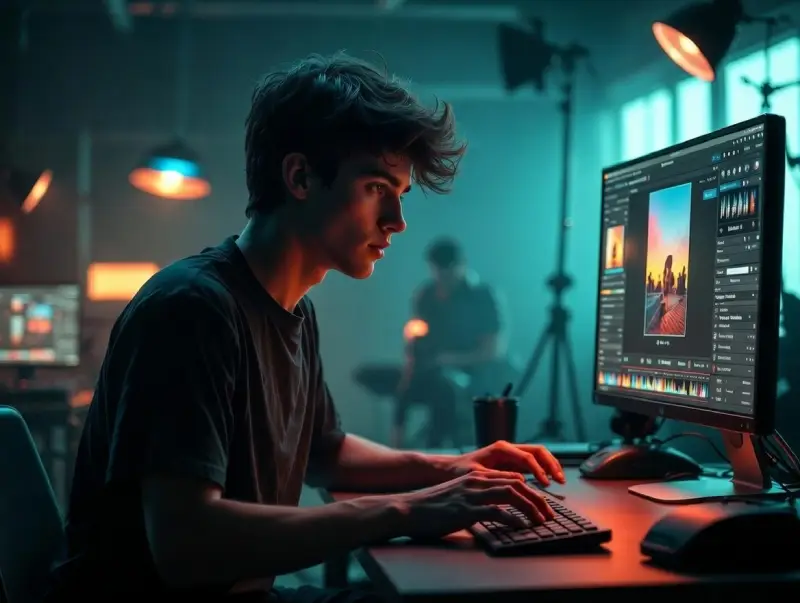
Those brutal nights staring at a screen, fighting to salvage one ruined frame from the shadows—yeah, they’re slipping away fast. Now folding AI in photo editing workflows into your routine is like adding a silent partner who never tires. Topaz Photo AI turns desperate rescues into smooth craft, especially AI noise reduction for raw files that drags hidden detail from black voids. People chase AI photo editor online free options, but serious shooters know the real AI photo touch up power lives in dedicated tools that don’t cut corners on quality.
Mastering Modern Post-Processing (Impact of AI on Photography)
The impact of AI on photography isn’t some far-off rumor—it’s reshaping every edit session right now. From my own tests, the best photo AI makes AI vs real photos comparison tricky; I’ve stared at files wondering which was shot and which was silicon. Throw in precise AI photo touch up plus Topaz Photo AI smarts, and gritty night scenes emerge crisp without feeling plastic. AI noise reduction for raw files stands out as the unsung savior, stripping chaos while holding onto that authentic grit clients still demand in 2026.
AI Photo Culling: Saving Hours in Professional Shoots
Sorting thousands of wedding shots by hand? Pure exhaustion. AI photo culling changed everything. Today’s AI culling software 2026 rips through massive galleries in minutes, spotting sharp focus, real expressions, and open eyes quicker than coffee kicks in. The AI photo culling efficiency statistics don’t lie—pros see 50–80% less time spent compared to AI culling vs manual culling drudgery. For a 4,000-image job that once ate four hours, now it’s down to 1–1.5. That’s not just saved time; it’s freedom to shoot more, create better, live outside the screen.
Synthetic Reality: AI Image Generation Trends 2026
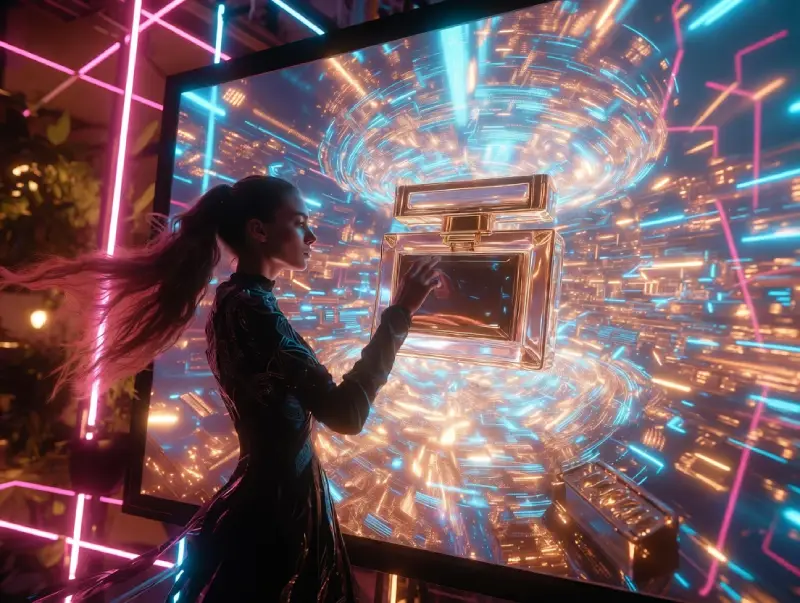
Remember blowing budgets on perfect product shoots—lights, sets, endless reshoots? In 2026 that pain is history. AI image generation trends 2026 let any AI generator or AI photo generator create stunning scenes instantly. AI product photography dominates: virtual everything, no location fees. The generative AI photography survey 2026 proves brands now favor synthetic over real. Pair it with sharp AI generated images SEO strategy and AI tools for photographers 2026 become essential commercial weapons.
The Ethical Lens: Content Credentials and C2PA
Deepfakes everywhere—trust is crumbling. Content credentials C2PA in cameras fight back with a built-in passport for every photo: origin, edits, AI traces logged forever. Sony and Canon lead the charge. Pushing ethical sourcing of AI training data kills stolen-art models. This protects authenticity over perfection photography and boosts the emotion over perfection photography trend. A verified human click still lands harder than any flawless fake.
Computational Photography: Beyond Traditional Lenses
Missed shots because your lens choked in dim light or shallow depth? Done. Computational photography trends blend sensor data with AI to deliver impossible results—phones rival full-frame. The impact of AI on photography shines here: AI noise reduction for raw files cleans without killing texture, while AI tools for photographers 2026 stack focus, expand range, fake bokeh. Glass matters less; smart math turns every limit into opportunity.
Career Threats: Will AI Replace Wedding Photographers?
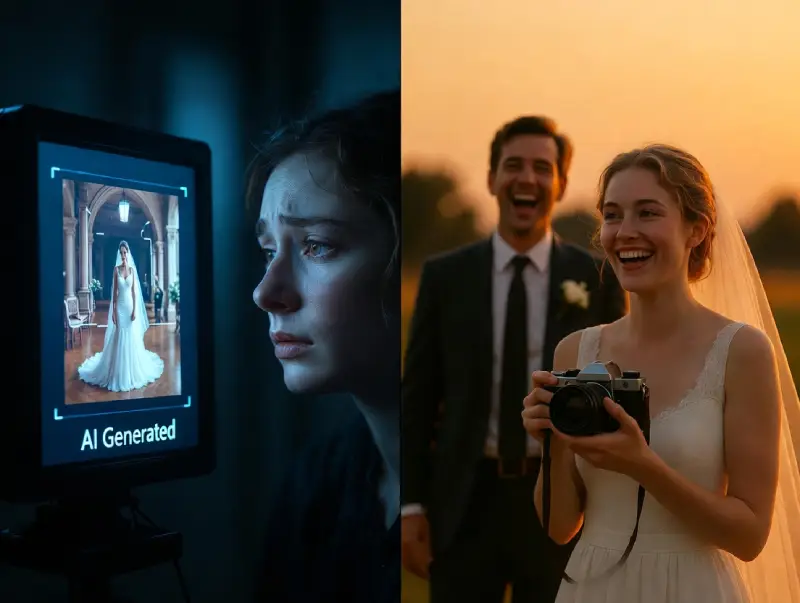
The question haunts every wedding shooter scrolling through job boards: will AI replace wedding photographers? Clients already experiment with quick synthetic alternatives, and whispers of photographers job threats AI grow louder. By 2030, reports say creative fields face heavy hits—what jobs will AI replace by 2030 includes chunks of stock work. The stock photography market crash 2026 proved it: AI flooded libraries, prices tanked. Yet the effects of ai on creative jobs 2026 aren’t total wipeout; they’re a brutal filter separating routine from irreplaceable human spark.
Creative Survival (Impact of AI on Photography)
The impact of AI on photography feels existential, but survival lies in adaptation. The effects of ai on creative jobs 2026 show AI excels at speed and scale—yet it can’t fake the gut-punch of real presence. That’s why the emotion over perfection photography trend surges: couples want tears, awkward laughs, unscripted mess. The pros and cons of ai in photography balance here—tools free you from tedium so you chase feeling. Want to stay ahead? Learn to Create Your Own AI Image Generator as a sidekick, not a rival.
The Human Premium: Why Authenticity Wins
In a sea of flawless fakes, the real thing commands premium prices. Authenticity over perfection photography isn’t nostalgia—it’s luxury. The emotion over perfection photography and its trend remind us: clients pay extra for hugs that actually happened, light that touched skin, not pixels. Even with AI generated images SEO strategy pushing synthetic content higher in rankings, verified human work stands taller. The AI revolution in photography 2026 amplifies this divide: machines handle polish, but only people deliver soul that lingers.
The Analog Revival: Friction-Maxxing and the Return to Imperfect Soul
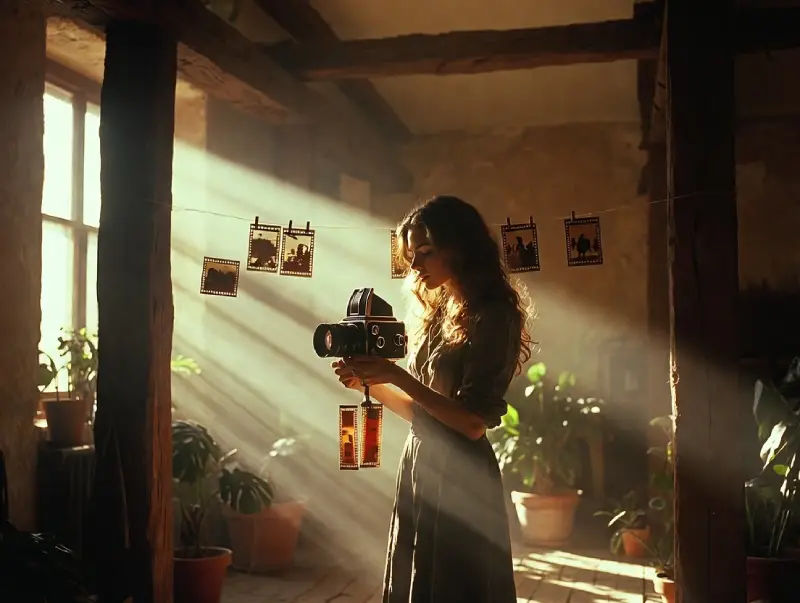
AI handles the grunt work flawlessly—so why do more photographers in 2026 suddenly crave clunky film cameras, light leaks, and grain you can feel? The impact of AI on photography pushed perfection to the extreme; now the backlash is real. Emotion over perfection photography trend meets authenticity over perfection photography in full force: pros shoot analog to force intentional slowness. Friction-maxxing—deliberate obstacles—becomes the quiet rebellion. AI revolution in photography 2026 freed efficiency; humans reclaimed soul by choosing the harder, messier path.
Why Photographers Are Embracing Film Grain in the AI Era
Digital files arrive too clean, too fast. Film grain reminds us mistakes are part of beauty. In 2026, analog aesthetics photography surges because emotion over perfection photography demands texture—real dust spots, vignette bleed, chemical surprises. Authenticity over perfection photography wins when clients see the hand-developed print and feel the effort. AI behind the scenes still culls and denoises, but the final frame carries human fingerprints. It’s not rejection of tech; it’s using it to protect what machines can’t replicate: vulnerability.
The Fifth Shock – Intentional Friction as the Ultimate Luxury
The fifth shock hits hard: the more AI polishes everything, the more “imperfect” becomes elite. Friction-maxxing photography 2026 turns limits into status—shooting expired film, one-roll challenges, no chimping. Emotion over perfection photography trend crowns this chaos luxury. Impact of AI on photography created the contrast; now deliberate slowness sells at premium rates. Authenticity over perfection photography isn’t anti-AI—it’s pro-human. In a world of instant perfection, choosing friction proves you still feel, still risk, still care.
Conclusion
The dread still creeps in during quiet moments: what if the camera one day decides it doesn’t need me anymore? In February 2026 that fear feels real, yet the impact of AI on photography hasn’t erased photographers—it’s forced every one of us to ask what part of this craft is truly ours. The machines took over the boring bits—endless sorting, brutal noise fights, cookie-cutter edits—so we could finally focus on the heartbeat behind the frame. Clients aren’t asking for more perfection anymore; they’re begging for proof someone was there feeling it too.
The impact of AI on photography cuts both ways, and that’s exactly why the future looks brighter for those who adapt. The pros and cons of AI in photography are no longer abstract debate: AI gives us superhuman speed and scale, but it also reminds us that flawless often feels empty. The AI revolution in photography 2026 handed us incredible AI tools for photographers 2026—culling that saves weekends, denoising that revives hopeless shots, generation that sketches dreams in seconds—yet the backlash is fierce. People now pay more for the messy, the real, the human fingerprint that no model can fake.
The Final Verdict: Evolution, Not Extinction
Photography isn’t facing extinction; it’s splitting into two clear paths. One rushes toward maximum efficiency—synthetic assets, instant everything, zero friction. The other digs deeper into what machines can’t touch: the weight of being present, the risk of imperfection, the quiet luxury of slowness when it counts. We use the tools, sure—AI tools for photographers 2026 are now part of every serious kit—but we still choose when to put them down and pick up the real thing.
In the end the verdict is simple. AI didn’t kill our jobs; it clarified them. It stripped away the parts anyone could automate and left only the irreplaceable: human presence, human choice, human soul. The ones who thrive will be the ones who master both worlds—fast when it serves, slow when it matters, always unmistakably human at the core.